
Why locate the first gynecocratic country in the history of humanity on the banks of the Danube River?
The Danube River is one of the longest and most voluminous rivers in the world, it is 2,888 kilometers, connecting ten countries, peoples, and nations from its source in the Black Forest, Donaueschingen, Germany, to its mouth in the Black Sea, Romania. The entire history of Central Europe has been written on its banks.
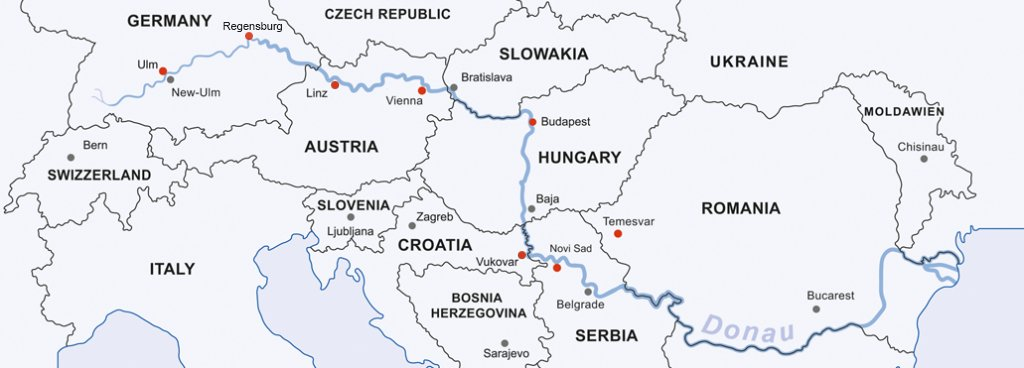
The Danube River has always fascinated us, women. Our feminine souls have always been in awe of its landscapes, its basins, its waters. The Danube has a special charm, a magic that makes us feel powerful and free, that makes us feel like true women.
Throughout history, along the Danube River, there have been women who have stood out and shone with their own light. You can learn about them on this website.
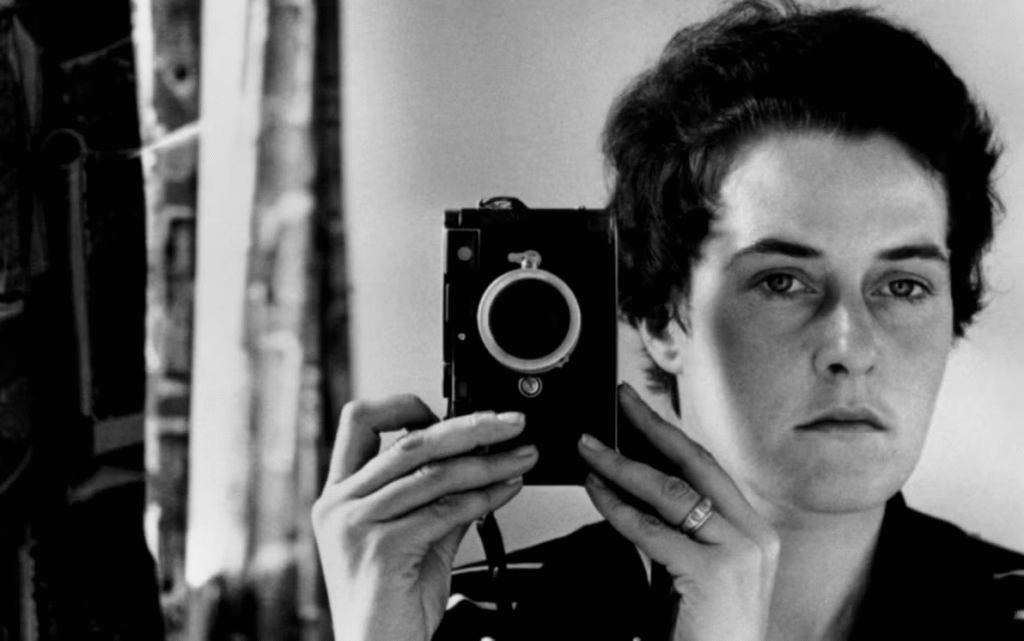
The famous photographer Inge Morath (Graz, Austria, 1923 / United States, 2002) was born and raised listening to and reading the magical stories of the mysterious inhabitants of the Danube River. In 1954, Morath began a legendary photographic journey along the Danube River, but she was forced to stop her route in several countries due to the Iron Curtain and the Cold War. In 1993, she returned to the area to complete her work in the Socialist Bloc.
In German, Morath’s native language and the birthplace of the Danube, the term «river» translates as «fluss» and is a feminine word.
«A river is not just a flow of water; a river has a story within its banks.» (Inge Morath)
Sixty years after her original journey, in July 2014, eight female photographers repeated Morath’s original journey, exhibiting her work and complementing it with new photographic material.

They were: Olivia Arthur (United Kingdom, 1981), Kathryn Cook (United States, 1979), Lurdes R. Basoli (Spain, 1981), Jessica Dimmock (United States, 1978), Claire Martin (Australia, 1980), Claudia Guadarrama (Mexico, 1976), Emily Schiffer (United States, 1980), and Ami Vitale (United States, 1971). During their 34-day trip, they visited 8 countries and 19 cities. They traveled 6,543 kilometers; 80 hours on the road. They started from the source of the Danube in the Black Forest (Germany) and ended at its mouth in the Black Sea (Romania). Lurdes R. Basoli focused her project on snapshots of women who awakened in her “a woman’s consciousness that lay hidden somewhere and that I continue to explore long afterward.” Olivia Arthur portrayed the paths of love: “We focused solely on feeling ourselves moving, knowing that it wasn’t about reaching a goal, but rather learning from each other. The Danube gave us a liberating gift, which was, ultimately, the reunion of us all.” Kathryn Cook chose the first stretch of the journey: the Black Forest. The photographer went out at night to look for fairies in the branches of the trees. Jessica Dimmock revisited her Romanian grandmother’s roots.
When they arrived, after a month, at the mouth of the Danube in the Black Sea, the explosion of joy was absolute. The entire team dived into the sea and celebrated the end of the journey. Because a river is not just water, and the power of its waters has created a unique landscape that they, the eight women, captured in the style of Inge Morath, with passion and courage.
Let’s make the Danube River the world’s benchmark for female power. Support the creation and development of the Free Queendom of Lilith now!